SEO case study -hygiene facilities
Leading a provider of portable bathroom solutions, offering high-quality, hygienic, and durable portable toilets for construction sites, outdoor events, industrial projects, and temporary setups. With a focus on convenience, cleanliness, and quick deployment, the brand serves both B2B and B2C clients.
Case Study: Organic Growth and Search Performance Analysis
This case study evaluates the search performance and traffic growth over a six-month period, comparing current performance against the previous period. The data indicates a site in a strong growth phase, characterized by massive increases in visibility and a significant jump in ranking authority.
1. Key SEO Success Metrics
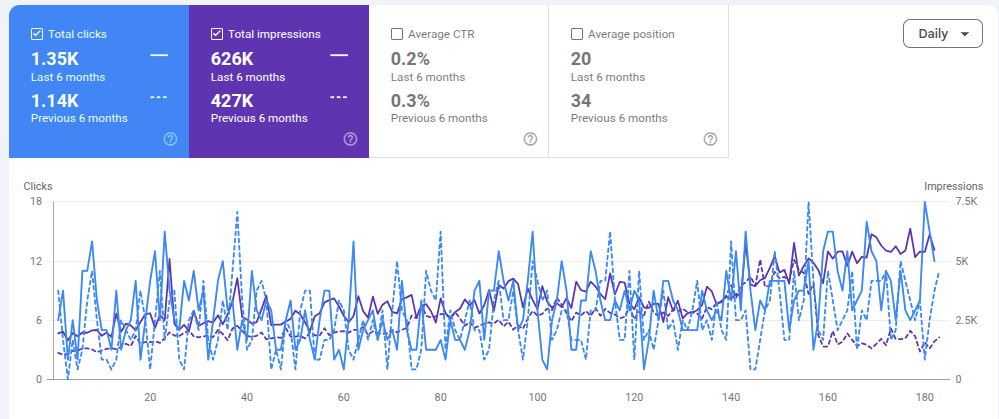
The following table summarizes the core Key Performance Indicators (KPIs) derived from the Google Search Console and Analytics data:
Metric | Last 6 Months | Previous 6 Months | % Change |
Total Clicks | 1.35K | 1.14K | +18.4% |
Total Impressions | 626K | 427K | +46.6% |
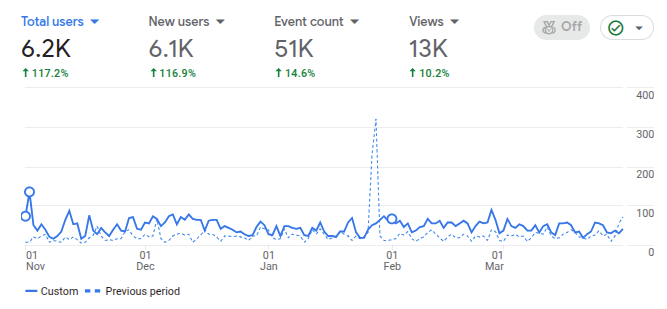
Total Users | 6.2K | 2.85K (est.) | +117.2% |
Average Position | 20 | 34 | +41.2% (Improvement) |
Average CTR | 0.2% | 0.3% | -33.3% |
2. Performance Highlights
- Massive Visibility Surge: Impressions grew by nearly 200,000, suggesting that the site is appearing for a much wider array of search queries or higher-volume terms.
- Ranking Authority Leap: Moving from an average position of 34 to 20 is a critical milestone. This suggests the site moved from the middle of page 4 to the top of page 3/bottom of page 2 on average, placing many core keywords within striking distance of page 1.
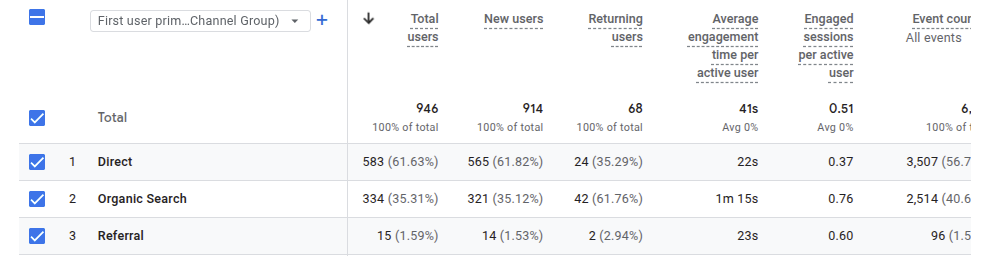
User Acquisition: Total users increased by 117%, indicating that while search is growing, other channels or returning visitors are also contributing to a healthier traffic mix.
3. Traffic Growth Analysis
The data reveals a steady upward trajectory with specific regional dominance:
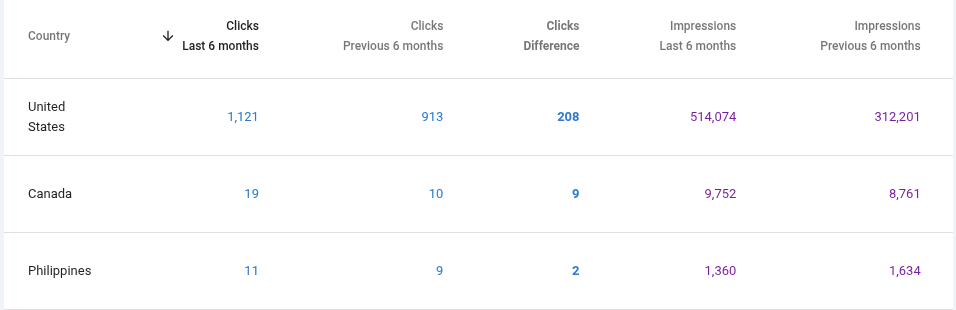
- Geographic Concentration: The United States is the primary driver of growth, contributing 1,121 clicks (an increase of 208 over the previous period). Canada and the Philippines show emerging interest, though they remain secondary markets.
- Consistency vs. Spikes: The Google Analytics trend shows consistent daily volume with a significant “floor” raise compared to the previous period. There is a notable spike in late January/early February, which likely correlates with a specific content piece going viral or a seasonal trend.
The CTR Trade-off: While impressions and clicks are up, the Click-Through Rate (CTR) dropped slightly from 0.3% to 0.2%. This is a common “growing pain” in SEO: as you rank for broader, high-volume terms (increasing impressions), your CTR naturally dilutes until you reach the top 3 positions for those new terms.
4. Keyword Rankings Growth
Based on the Average Position shift from 34 to 20, the keyword portfolio has likely undergone the following transformation:
- Striking Distance Keywords: A large cluster of keywords has moved into positions 11–20. These are “Striking Distance” terms that require targeted optimization (on-page tweaks or backlink building) to push into the top 10.
- Long-Tail Expansion: The 46% increase in impressions indicates that the site is successfully capturing “Long-Tail” traffic—specific, multi-word queries that are less competitive but highly relevant.
- Brand Authority: The significant jump in average position across 626k impressions suggests Google is viewing the domain as a more authoritative source within its niche.
5. Recommendations for Continued Scaling
- Optimize for CTR: Since impressions are high but CTR is low, perform A/B testing on Meta Titles and Descriptions for high-impression pages to entice more clicks.
- Internal Linking: Use “Power Pages” (those already ranking in the top 10) to link to pages sitting in positions 11–20 to give them the final push to page 1.
- US-Centric Content: Since the US accounts for the vast majority of growth, double down on content specifically tailored to US trends, terminology, and needs.
How SEO Fueled Construction Business Growth
A customized SEO strategy was implemented to align with the specific goals and challenges of the construction industry. Key initiatives included:
Keyword Research & Optimization:
Targeted a mix of high-competition and niche construction keywords, including services like residential construction, commercial projects, home renovation, interior fit-outs, and civil contracting to attract high-intent clients.
On-Page SEO:
Optimized meta titles, descriptions, headings, and on-page content to better match client search intent and improve visibility in search engine results.
Content Strategy:
Developed informative, client-focused content addressing construction processes, project timelines, cost guides, design ideas, and industry insights to build trust, authority, and consistent organic traffic.
Technical SEO Improvements:
Enhanced website speed, mobile responsiveness, and overall technical performance to improve user experience and search engine crawlability.
Backlink Acquisition:
Strengthened domain authority by securing high-quality backlinks from reputable construction, real estate, architecture, and local business directories.